Whole grains
Oats, barley, brown rice, wholemeal pasta, and dense breads add steady variety. Cooking a batch while another pot is already on the stove keeps effort low.
These sections summarise themes we often explore in sessions. They are educational, general in nature, and not a substitute for advice from a New Zealand registered health practitioner when you need individual clinical care. They are conversation starters—not treatment plans.
Composition
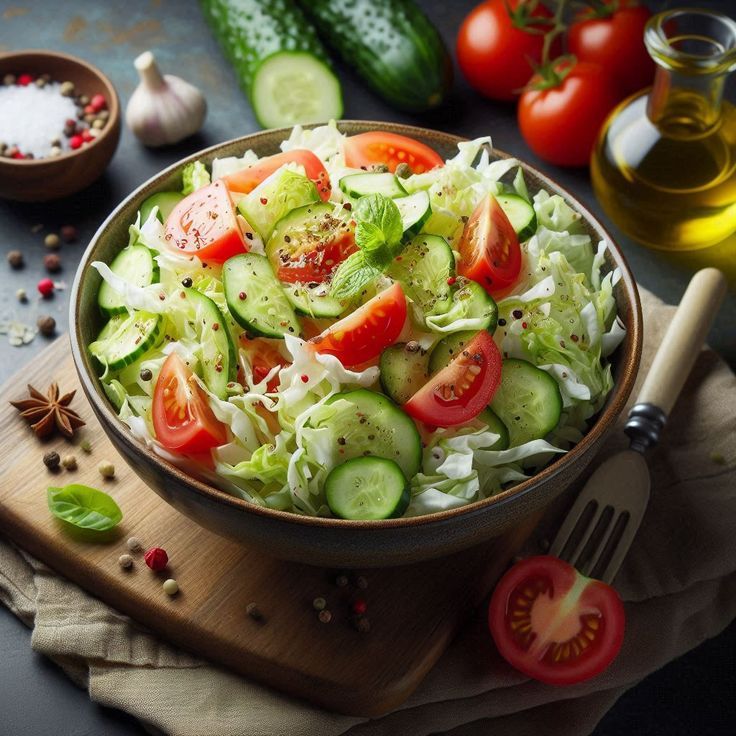
A practical starting frame is protein plus starch or grain plus colour from vegetables or fruit. Sauces and oils are not villains—they carry flavour and can make produce feel more complete. If a full dinner plate feels like too much volume at once, soup with bread or a grain bowl with a side salad often lands better than shrinking every component.
Temperature and texture matter as much as macros on paper. Cold crunchy vegetables beside warm lentils, or roasted roots with a yoghurt drizzle, can make the same ingredients feel new without a recipe marathon.
Gradual increases tend to feel kinder on digestion than sudden jumps. We pair additions with fluids and familiar spices so bowls still taste like home.
Oats, barley, brown rice, wholemeal pasta, and dense breads add steady variety. Cooking a batch while another pot is already on the stove keeps effort low.
Rinsed canned beans slip into tacos, soups, and salads. Lentils cook in one pot and freeze in portions for weeks when cooking energy is uneven.
Frozen peas, spinach, and stir-fry mixes reduce waste when fresh shopping slips. They still count toward colour and fibre goals.
Protein anchors
Protein supports satiety alongside fibre and fat. We look for anchors you already enjoy—eggs, tofu, tinned fish, yoghurt, lentils, chicken thighs—and distribute them in ways that match your hunger rhythms. Some people prefer larger midday meals; others need smaller pockets across the day.
We avoid turning protein into a scoreboard. If tracking numbers increases anxiety, we shift to visual prompts: palm-sized portions, or “two sustained-energy meals” language instead of spreadsheets.
Fats and flavour
Fats carry flavour and help meals feel finished. Drizzles of olive oil, tahini, peanut butter in dressings, or toasted seeds on vegetables can increase enjoyment without complicated technique.
We also talk about budget: frozen fish, seeds instead of pine nuts, or yoghurt-based sauces can deliver creaminess affordably.
Labels
Ingredient lists read in order of weight—helpful when comparing breads or cereals. Serving sizes differ by brand; we practice translating labels into the portions you actually pour into your bowl.
We discuss sodium and added sugars as neutral facts, not moral labels. The goal is informed swaps: a lower-sodium stock for soup if your care team has suggested watching salt, or a fruit you enjoy if sweetness replaces an afternoon pastry habit you want to soften.
Daily rhythm
Portable options—overnight oats, egg muffins, or peanut butter on dense bread—reduce vending detours when breakfast windows are thin.
Leftovers plus fruit, grain salads, or sandwiches with crunchy vegetables keep lunch dignified without requiring a photo-worthy spread.
Lighter or earlier dinners sometimes support sleep; other times a small second supper fits shift work. We align language with your schedule, not an imaginary nine-to-five.
Thirst cues shift with climate, activity, breastfeeding, and medications. We focus on containers you like, break reminders for desk work, and whether afternoon caffeine still feels fine at your bedtime. Herbal teas, diluted juices, and soups all contribute. Plain water is optional, not mandatory, for being “good.”
Bring your real constraints to the contact form—we reply with honest fit and suggested next steps.